
Creating Characters that Captivate the Reader
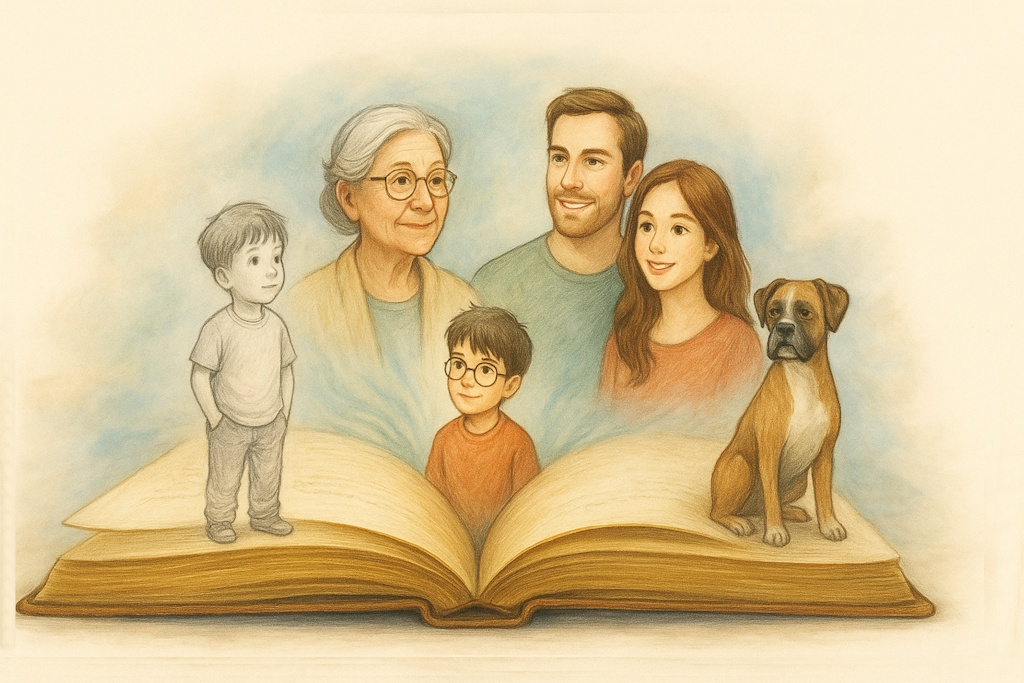
Characters are why we keep turning pages. As a founder building an app that helps anyone craft a book in minutes, I think a lot about how to imagine, design, and describe characters so they feel alive. This post is a field guide you can use right now.
Quick challenge: Who are the characters in your life? What are their roles? Keep them in mind as you read. 💭
The 5 Building Blocks of a Memorable Character
1) Desire 🎯 What do they want (external goal)?
2) Wound & Misbelief 💔 What past hurt bends how they see the world?
3) Contradictions ⚖️ Pick a virtue + flaw + quirk to avoid clichés.
4) Voice & Choices 🗣️ How do they talk and decide when squeezed?
5) Arc 🔁 How do they change (or refuse to) by the end?
Shortcut: If you can answer those in two sentences, you’re 70% there.
Reader nudge: Think of one real person. In one line, write their Desire and one Wound.
Roles that shape the story (with famous examples)
Design the job, then the person who does it.
-
Protagonist — drives the plot, pays the price. Examples: Luke Skywalker, Frodo, Daniel LaRusso, Harry Potter. Decide early: goal, inner wound, stakes.
-
Antagonist — blocks the goal with conviction. Examples: Darth Vader, Sauron, Johnny Lawrence, Voldemort. Decide early: power, why they think they’re right.
-
Real Villain — the deeper engine (system/temptation). Examples: Palpatine/the Dark Side; the One Ring; Kreese’s creed; fear and prejudice in HP. Decide early: the value the hero must outgrow.
-
Mentor — gives tools, frames the quest. Examples: Obi‑Wan, Gandalf, Mr. Miyagi, Dumbledore. Decide early: lesson + when the mentor exits.
-
Sidekick/Comic Relief — loyalty + truth with a grin. Examples: Samwise; Hermione & Ron; C‑3PO, Merry & Pippin, Dobby. Decide early: what they do that the hero can’t.
-
Love Interest — humanises stakes, tests values. Examples: Leia (OT), Ali (Karate Kid), Ginny/Cho. Decide early: how they challenge, not adore.
-
Narrator — decides what we know and when. Examples: Bilbo (frame), Watson. Decide early: why they are telling this; bias.
👉 Who are the characters in your life? What are their roles? Try mapping: Mum → Mentor, old coach → Antagonist (for now), best friend → Sidekick.
Age matters 👶🧒🧑🧓
Change the age, change the natural goals/conflicts.
- School‑age (6–11): wants belonging/competence → faces friendship politics & unfair rules. Voice: concrete, curious.
- Teen (12–17): identity/independence → peer pressure, first love, risky choices. Voice: hyper‑present, intense.
- Emerging adult (18–24): place in the world → study/career crossroads; loyalty vs ambition. Voice: experimenting.
- Seasoned adult (25–39): stability vs purpose.
- Midlife mentor (40–59): legacy, teaching.
- Elder (60+): meaning, reconciliation.
For non‑humans, use Youngling / Adult / Senior and map instincts + lifespan.
Reader nudge: Pick an age band for each real person you’re using.
Traits that create friction (and chemistry) 🔥
Pick 2 virtues + 1 flaw and a small quirk.
| Virtues | Flaws | Quirks (energy) |
|---|---|---|
| Brave · Loyal · Kind · Resourceful · Wise | Arrogant · Impulsive · Jealous · Reckless · Cowardly | Witty · Playful · Serious · Cautious · Adventurous |
Team tension hack: a cautious planner + a reckless optimist = auto‑fuel for scenes.
Personalisation matters. With real people, the devil’s in the details—tell Mythoria those tiny habits: whistles a tune every morning, grabs the car keys long before reaching the car, detests rock‑hard butter. These specifics make a character feel unique and, if the reader is the character, expect a good laugh. 😄
Reader nudge: Write one virtue + flaw + quirk for a real person.
Describing appearance (without boring anyone) 👀
Goal: 3–5 vivid anchors the reader can carry.
Do
- Use action‑anchored details: She taps a bitten thumbnail; his boots stay muddy even in July.
- Pick a silhouette: wide‑brim hat + too‑long coat; freckled cheeks + copper braid.
- Add status tells: how others treat them; how they carry things.
- Tie emotion to body: heat behind ears; restless hands.
Don’t
- Catalogue like a police report.
- Lean on stereotypes.
- Describe the obvious (ten fingers…).
Real life → On the page (mini‑guide) ✍️
- Pick 2–3 real people. Write their role (Protagonist, Mentor, etc.).
- One‑line core: Desire + Wound.
- Contradiction triangle: 2 virtues + 1 flaw + a quirk.
- Voice sample (1 line): write how they’d speak under pressure.
- Anchors (3–5): action‑tied appearance/details.
- Boundary check: change names and any private info you wouldn’t want shared.
- Drop it in Mythoria and adjust in the editor.
👉 Who are the characters in your life? What are their roles? Write one paragraph using the steps above.
How Mythoria helps from one prompt ⚙️✨
Paste something like:
“Make a story about Jucas, a toddler who lives for football and outdoor adventures. He’s brave but cautious, resourceful, and shy in crowds. Warm, funny scenes with a patient older sister and a wise grandad.”
Mythoria will:
- Infer roles & entities (protagonist, mentor, supporting).
- Detect age & traits (toddler; brave, shy, resourceful).
- Suggest conflict scaffolds (goals, wounds, scene starters). You can override everything in the editor.
Example (shortened)
{
  "characters": [
    {"name": "Jucas", "role": "Protagonist", "age": "Toddler", "traits": ["Courageous","Resourceful","Cautious"], "physical": "Sun‑kissed skin, blond curls; grass‑stained knees."},
    {"name": "Grandad", "role": "Mentor", "age": "Elder", "traits": ["Wise","Kind","Playful"]}
  ]
}
Quick checklists ✅
Cast balance
- Hero goal is specific and costly.
- Antagonist is right in their own mind.
- A deeper value foe (real villain) exists.
- Mentor teaches one rule—and leaves.
- Sidekick/love interest challenges the blind spot.
Scene‑ready
- Each character has a tell (gesture/phrase/object).
- Two characters have opposing traits.
- You can pitch a meet‑cute/first clash in 1 line.
Description sanity
- 3–5 anchors, action‑tied.
- No stereotypes, no catalogues.
- Voice line feels unique.
Rapid role lenses (steal these) 🧰
- Protagonist: a small person who chooses a large burden (Frodo).
- Antagonist: a hurt person mistaking control for safety (Voldemort).
- Real Villain: a seductive shortcut (The Ring; the Dark Side; “no mercy”).
- Mentor: someone who believes you can before you can (Obi‑Wan, Mr. Miyagi).
- Comic Relief: truth with a grin (C‑3PO, Merry & Pippin, Dobby).
- Sidekick: proof the hero isn’t alone (Sam, Hermione/Ron).
Try this in Mythoria 🧪
Paste into the wizard:
Write a cosy adventure where Amaya (11, imaginative but cautious) secretly trains with Tío Rafa (midlife mentor, pragmatic, funny) for the town treasure hunt. The real villain is the clock and Amaya’s fear of disappointing Mum. Add a playful comic relief stray dog who steals clue cards.
You’ll see roles, traits, and initial conflict guessed—then tweak to taste.
Final thought ✍️
Good roles, age‑aware stakes, trait tension, and crisp description—that’s the toolkit. Mythoria just makes it fast. Now: Who are the characters in your life, and what are their roles? Go write them. ✨